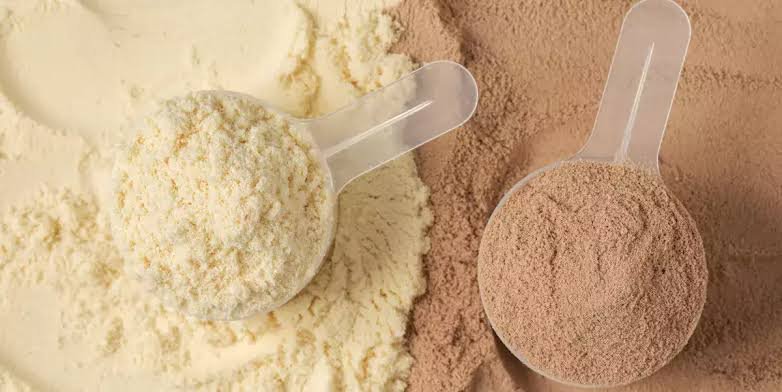

Qatar's sports nutrition and wellness market has grown steadily alongside rising fitness participation and a young, health-conscious population. Supplement brands, gyms, and distributors based in Doha increasingly look for a Protein Powder exporter in Qatar supply routes that can deliver both consistent quality and pricing that works for bulk orders. India remains one of the most established sourcing origins for this, given its scale of production and long-standing trade relationship with the GCC. Buyers evaluating this route should understand the compliance requirements specific to Qatar, along with what separates a dependable exporter from a risky one.
Things Buyers Should Know Before Sourcing Protein Powder for Qatar Here's what matters most when evaluating a protein powder supply partner for the Qatari market.
Food supplements imported into Qatar are regulated by the Ministry of Public Health, and products typically need to be registered before they can clear customs. A protein powder supplier in Qatar distribution channels should be able to provide product specification sheets, ingredient breakdowns, and Certificates of Analysis in the format Qatari authorities expect. Buyers should confirm this documentation is available before placing a first order, since missing paperwork is one of the most common causes of shipment delays at Hamad Port.
Many protein powder formulations use flavouring agents, gelatin-based capsule shells, or dairy derivatives that require halal verification for the Qatari and wider GCC market. A bulk protein powder exporter worth working with should be transparent about whether their formulations carry halal certification, and should be able to supply that documentation alongside standard export paperwork. This matters even for products that are inherently halal-compliant, since certification is often what customs and retail partners actually check.
Qatar's fitness and supplement retail sector includes a growing number of local gym-branded and boutique nutrition labels, alongside larger distributors. A protein powder exporter for Qatar market buyers should be able to offer private-label packaging in addition to standard bulk supply, so smaller brands can launch under their own name without managing production separately. This is particularly relevant for gyms and studios looking to sell branded supplements as a secondary revenue stream.
Sea freight from Indian ports to Hamad Port is the standard route for bulk protein powder shipments, with reasonably predictable transit times. Buyers planning to import protein powder to Qatar warehouses should still account for customs clearance and Ministry registration checks on top of shipping time, rather than assuming the two run in parallel. A smaller trial shipment is a practical way to test both the supplier relationship and the clearance process before committing to a recurring bulk contract.
Before locking in a long-term supply arrangement, it's worth checking the basics: FSSAI and ISO certification on the sourcing side, sample availability, and how clearly the exporter answers questions about halal status and registration documentation. Vague or delayed answers at the inquiry stage are usually a sign of friction to come once shipments are underway.
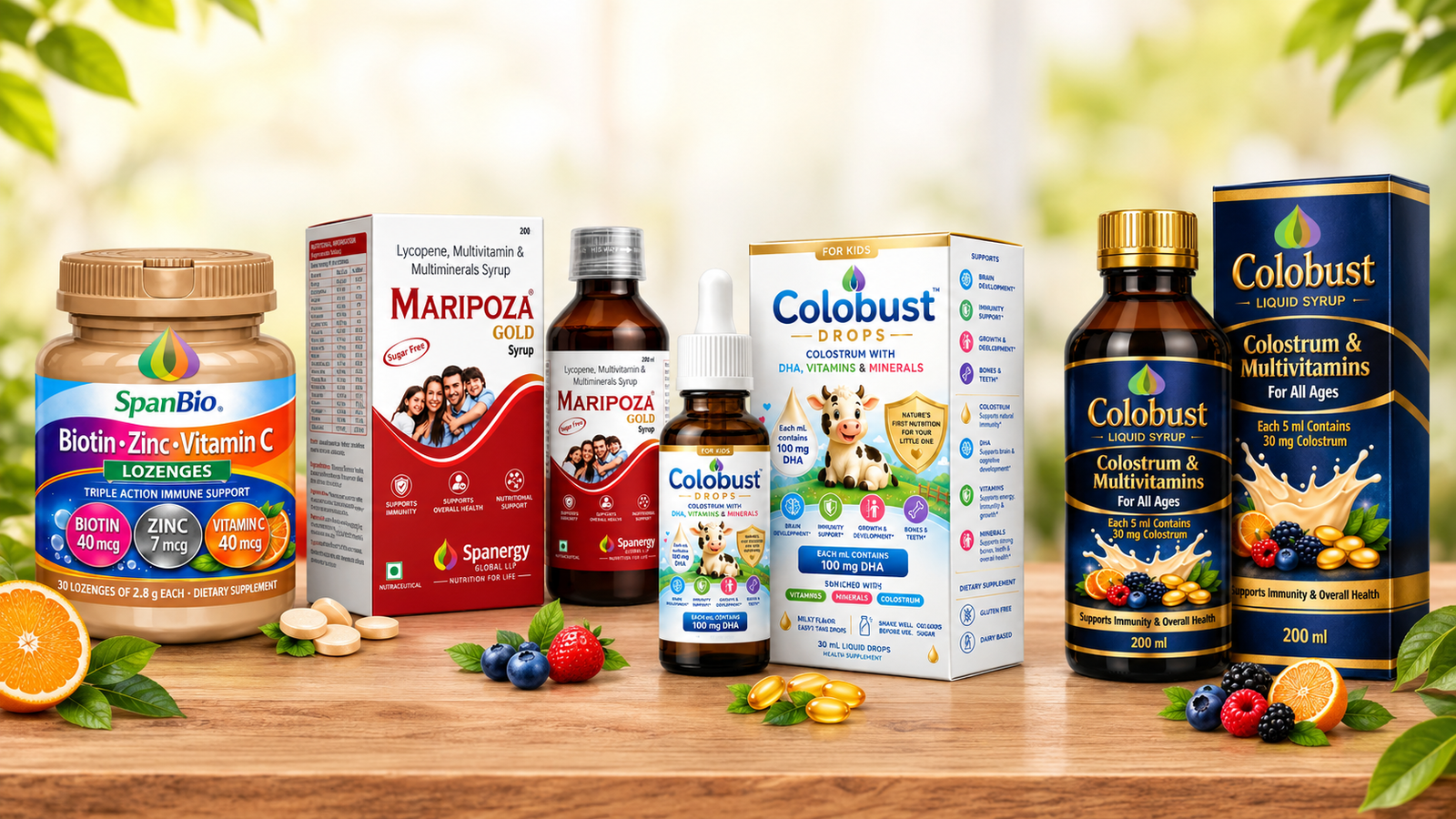
Sourcing protein powder for Qatar comes down to registration-ready documentation, halal transparency, and a partner that can support private labeling as demand grows. Spanergy Global LLP is a Nashik-based supplier and exporter, sourcing protein powders, herbal powders, and fruit powders in bulk from FSSAI and ISO-certified manufacturing partners, with OEM and private-label options for brands across Qatar and other international markets.