
Herbal products keep gaining shelf space worldwide, and India remains one of the most established sourcing origins for botanical ingredients and finished herbal supplements. Brands, formulators, and distributors abroad increasingly work with a Herbal Supplement Supplier in India rather than buying through layers of traders. However, herbal sourcing carries risks that other supplement categories do not. Raw material quality varies by harvest, region, and processing, so buyers need to know what to verify before placing an order.
Things to Consider Before Choosing an Herbal Supplement Partner Here's what matters most when evaluating a herbal supply partner for international orders.
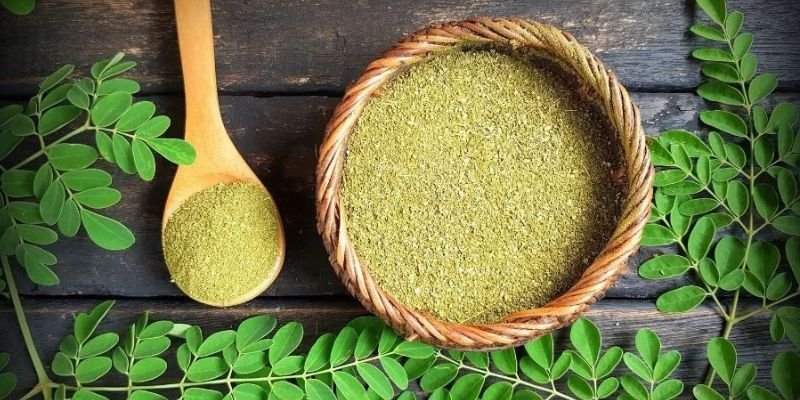
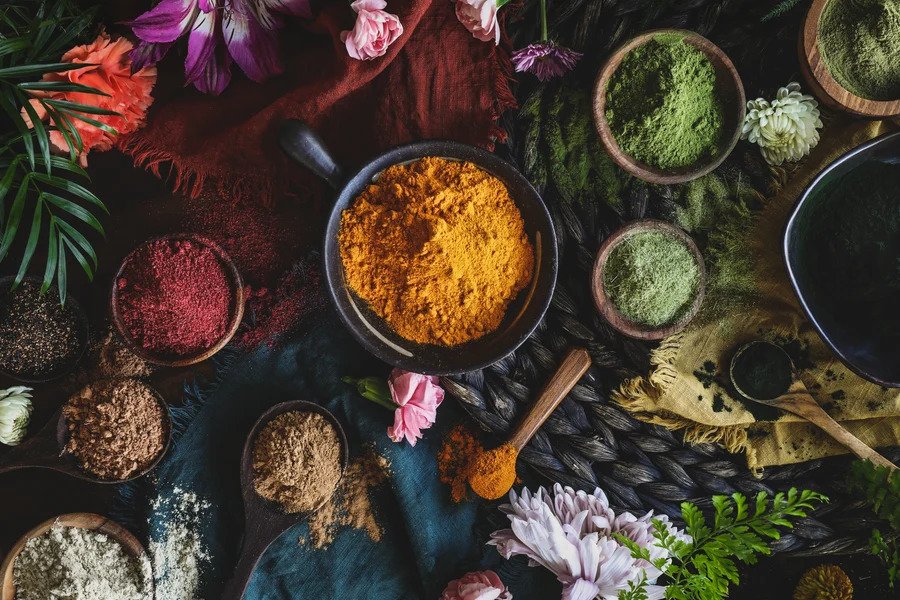
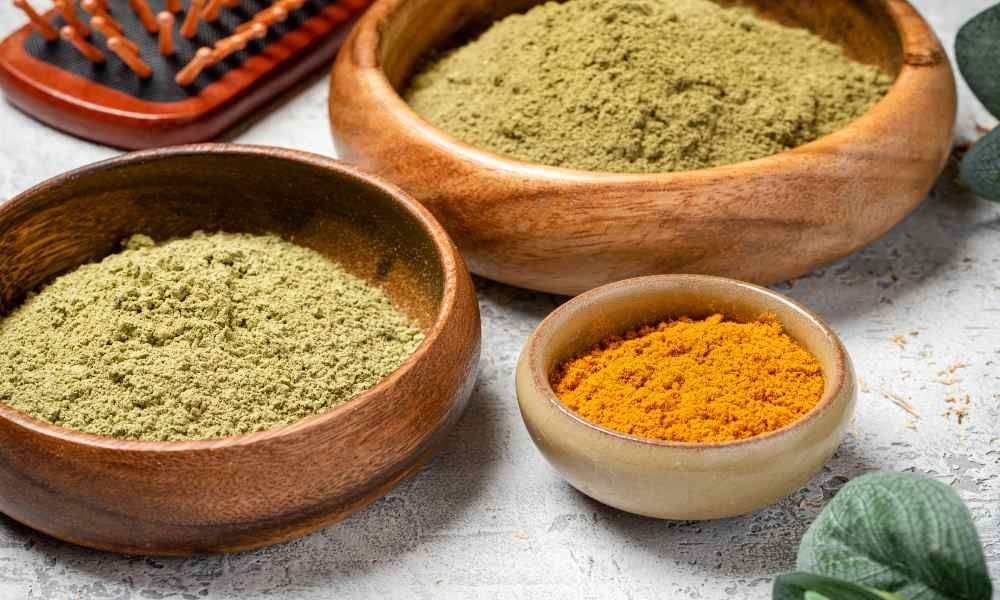
Herbal powders are only as reliable as the plant material behind them. A Herbal Powder Supplier should be able to confirm the botanical name, plant part used, and origin of each material. Buyers should ask how raw materials are checked for authenticity, since mislabelled or mixed plant material is a known issue in the herbal trade. Requesting a specification sheet that lists these details is a simple first step.
Herbal materials can carry heavy metals, pesticide residues, or microbial contamination depending on where and how they were grown and processed. A bulk herbal powder supplier should be able to share Certificates of Analysis covering the tests relevant to your market, such as microbial counts, moisture content, and contaminant screening. Buyers should check that the reports come from batch-level testing, not a single approved sample.
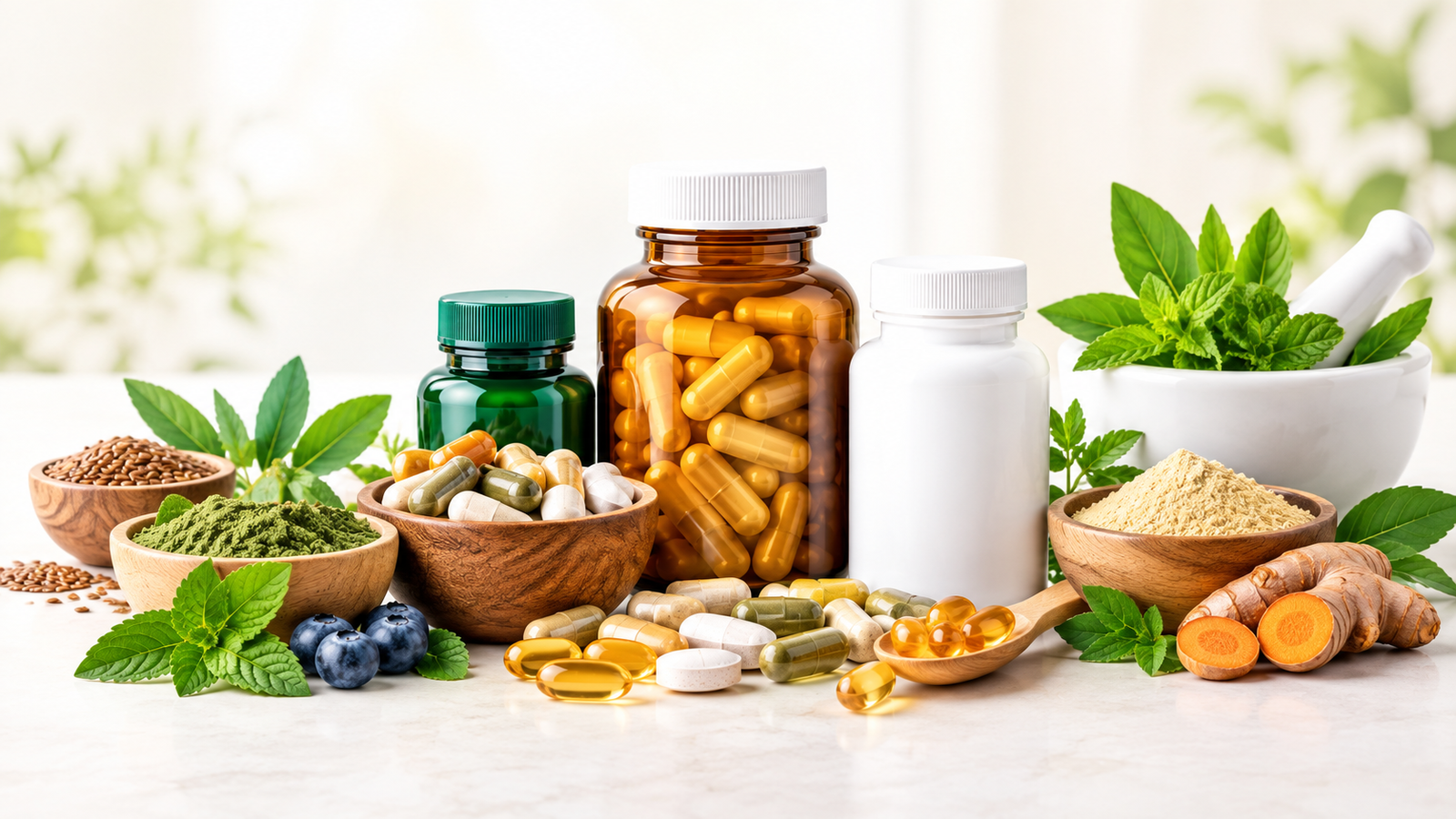
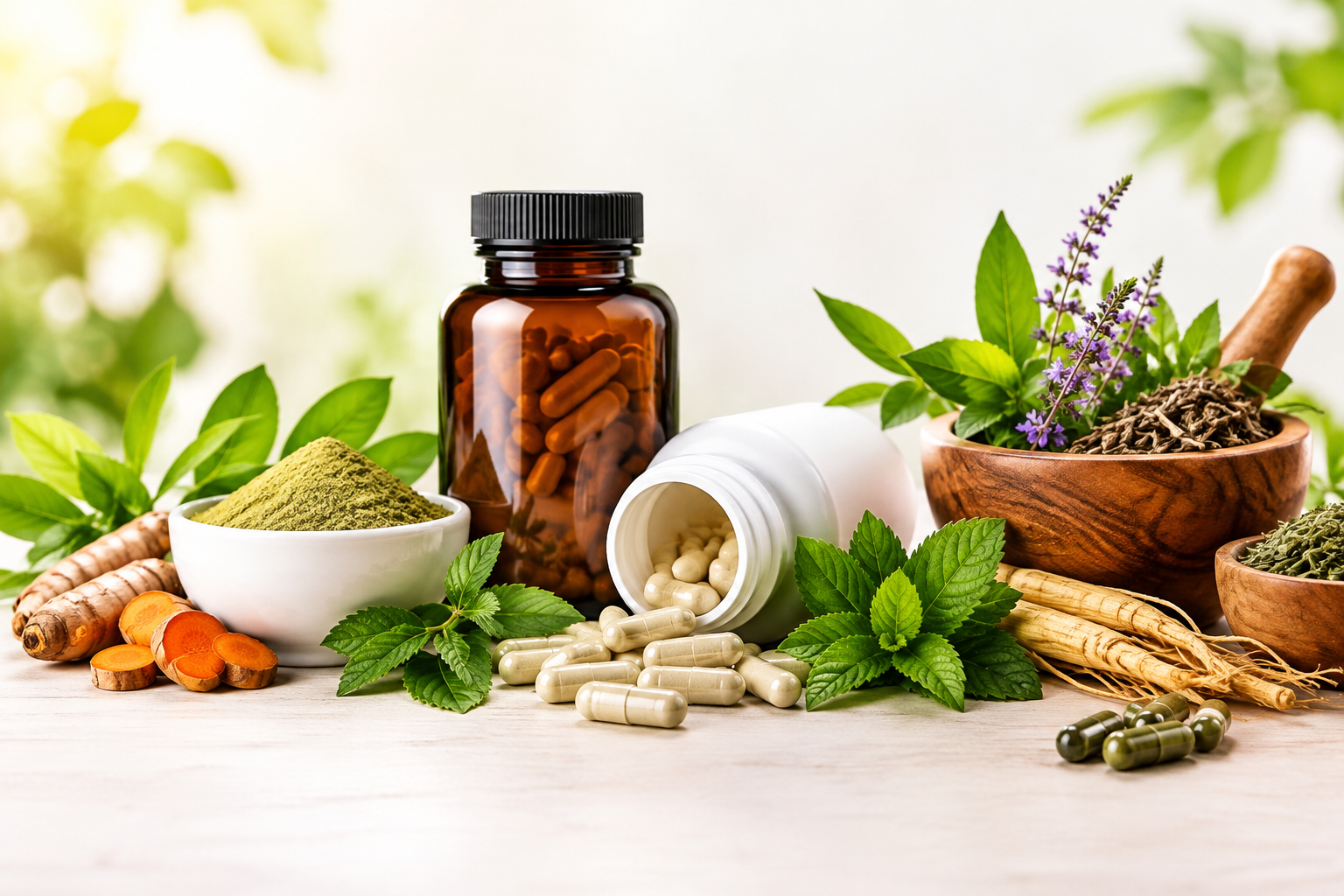
Herbal products reach buyers in several forms, including raw powders, standardised extracts, capsules, and finished blends. A Herbal Supplement Exporter should help you work out which form suits your product, since the choice affects cost, potency consistency, and how easily the product meets import rules. Extracts and standardised forms are often easier to keep consistent than raw powders, though raw powders remain popular for teas, blends, and food use.
FSSAI licensing is the baseline requirement across any herbal supply chain in India, whether held directly or through the manufacturing partner. ISO certification adds another layer of process reliability, and a valid IEC (Import Export Code) is needed on the exporter's end for customs processing. An herbal supplement supplier for export should also provide Certificates of Analysis and specification sheets with each shipment, since importing countries often ask for them.
Most brands want herbal products packed and labelled under their own name, not sold as generic bulk. A private label herbal supplement supplier should offer OEM and private-label sourcing as a standard service, including custom packaging suited to moisture-sensitive products. This helps newer brands launch without building their own manufacturing relationships in India.
Herbal ingredients are regulated differently across regions. Some markets restrict certain botanicals or limit the claims that can be made on labels. A wholesale herbal powder exporter should be able to explain what documentation they can provide, but buyers should still confirm current rules with their own import agent or compliance contact before ordering.
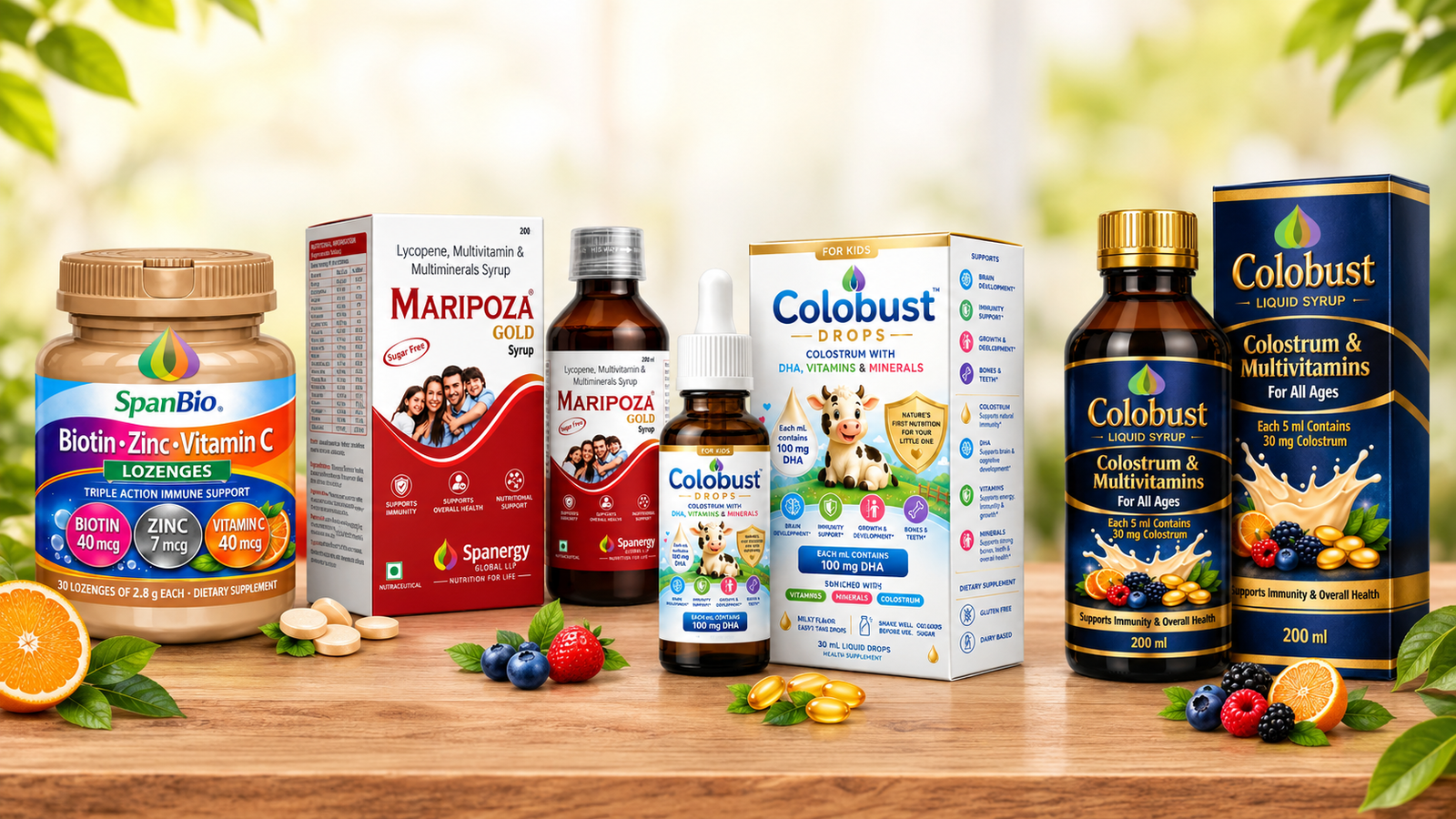
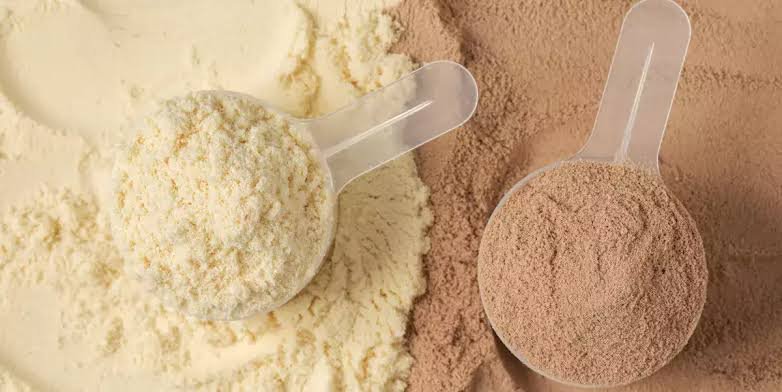
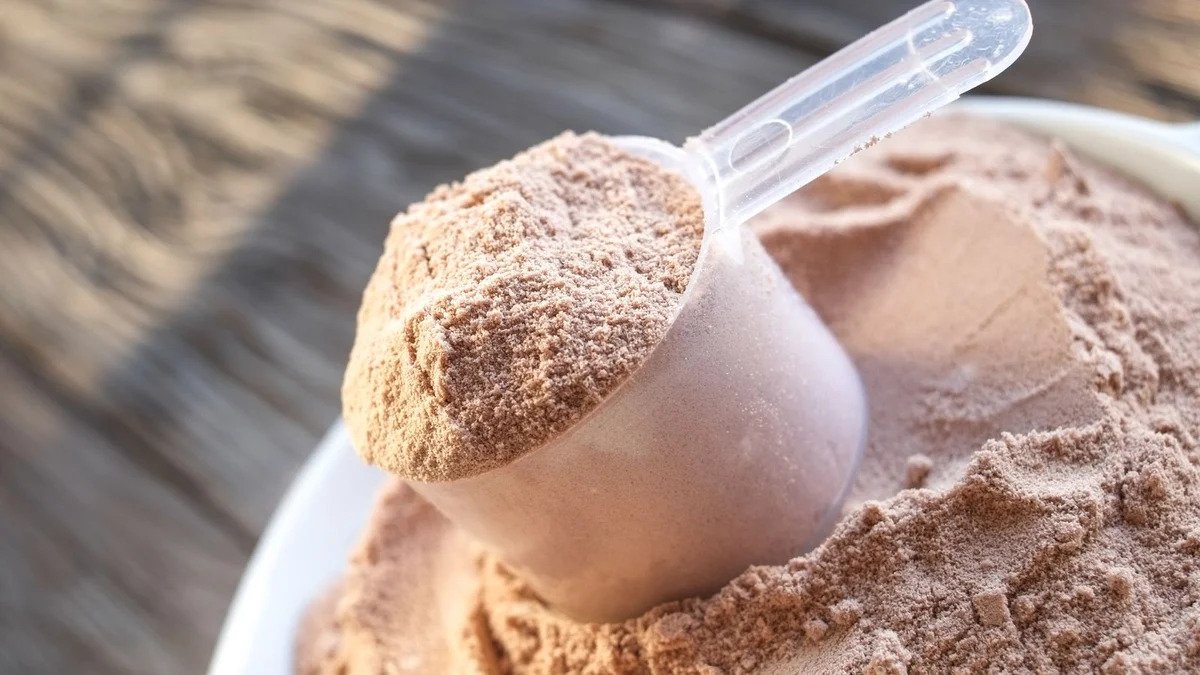
Choosing the right herbal partner comes down to raw material authenticity, batch-level testing, proper documentation, and the ability to scale with a brand's growth. Spanergy Global LLP is a Nashik-based supplier and exporter, sourcing herbal powders, herbal supplements, protein powders, dietary supplements, and fruit powders in bulk from FSSAI and ISO-certified manufacturing partners, with OEM and private-label options for brands across international markets.